Career Growth & Skills
Career Growth & Skills guides on Career Forward HQ.
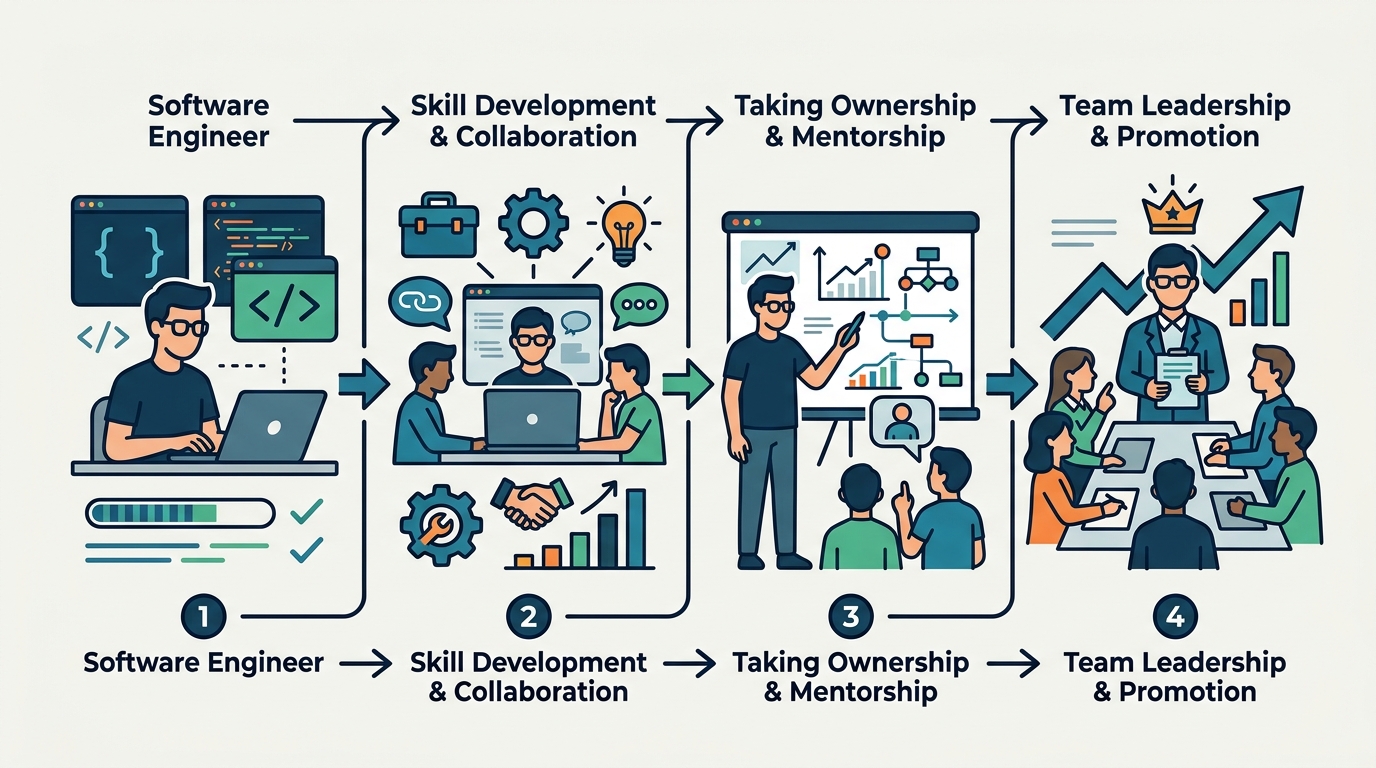
How to Get Promoted to Team Lead in Software Engineering
Getting promoted to team lead in software engineering is usually an internal move, earned by taking on coordination work — code review ownership, onboarding new hires, running standups, breaking down epics — before the title exists. Most engineers who make the jump spend 6 to 18 months visibly doing parts of the job first, then apply through an internal posting or ask their manager to open a role.

Changing Careers to UX Design: A Step-by-Step Playbook
Switching into UX design usually takes 9 to 24 months of deliberate work alongside a current job: learning a research and prototyping toolkit, shipping two or three real case studies, and then competing for a role in a field where the U.S. Bureau of Labor Statistics reported a median annual wage of $104,000 for web and digital interface designers in May 2025. The credential bar is flexible — BLS notes requirements range from a high school diploma to a bachelor's degree, and that candidates may not need a specific credential if they can demonstrate ability through prior work or projects (U.S. Bureau of Labor Statistics, 2025).
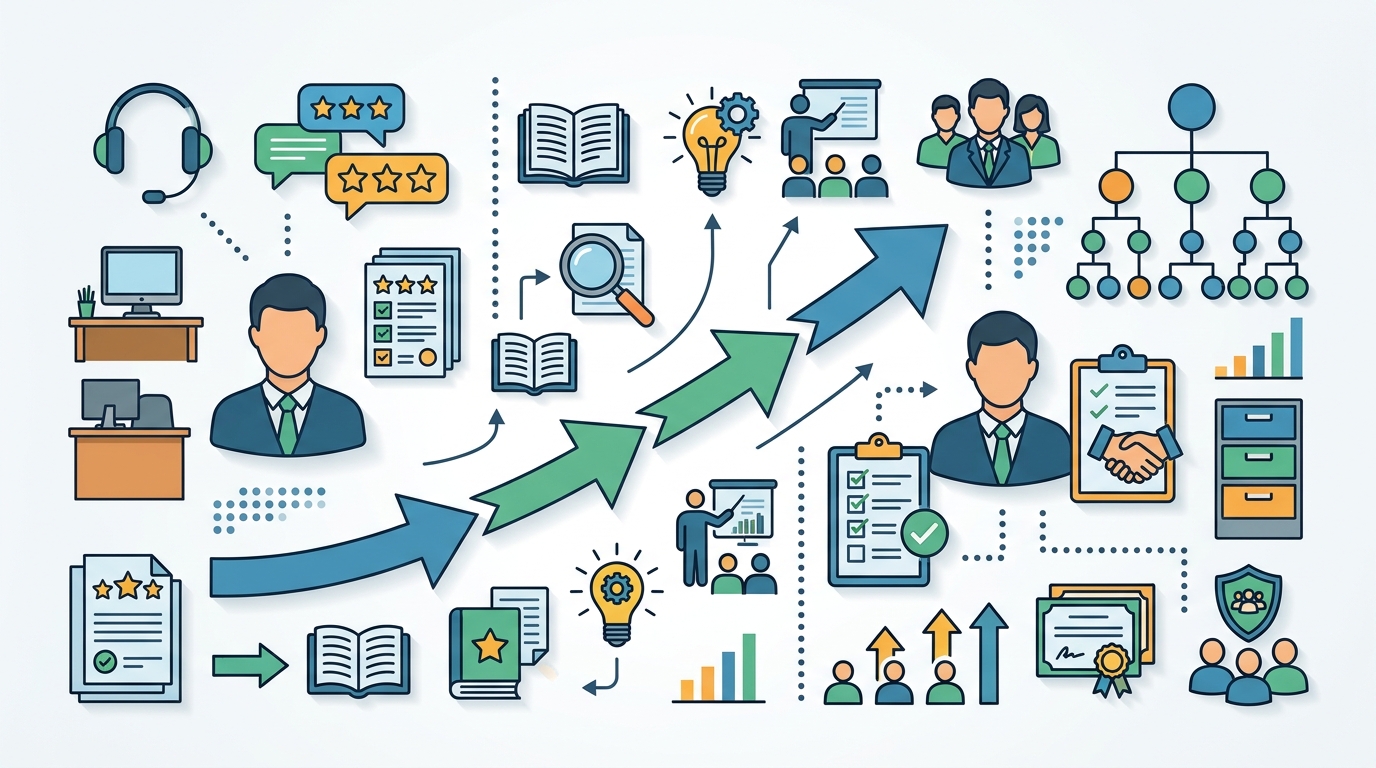
How to Switch from Customer Service to Human Resources
Customer service is one of the most common feeder jobs into human resources, because the daily work already overlaps: handling complaints, explaining policy, documenting cases and staying calm with upset people. The usual route in is a coordinator-level HR or recruiting job, reached over 6 to 18 months by taking on hiring and onboarding work in your current role, learning an HRIS and an applicant tracking system, and adding a voluntary HR certification.
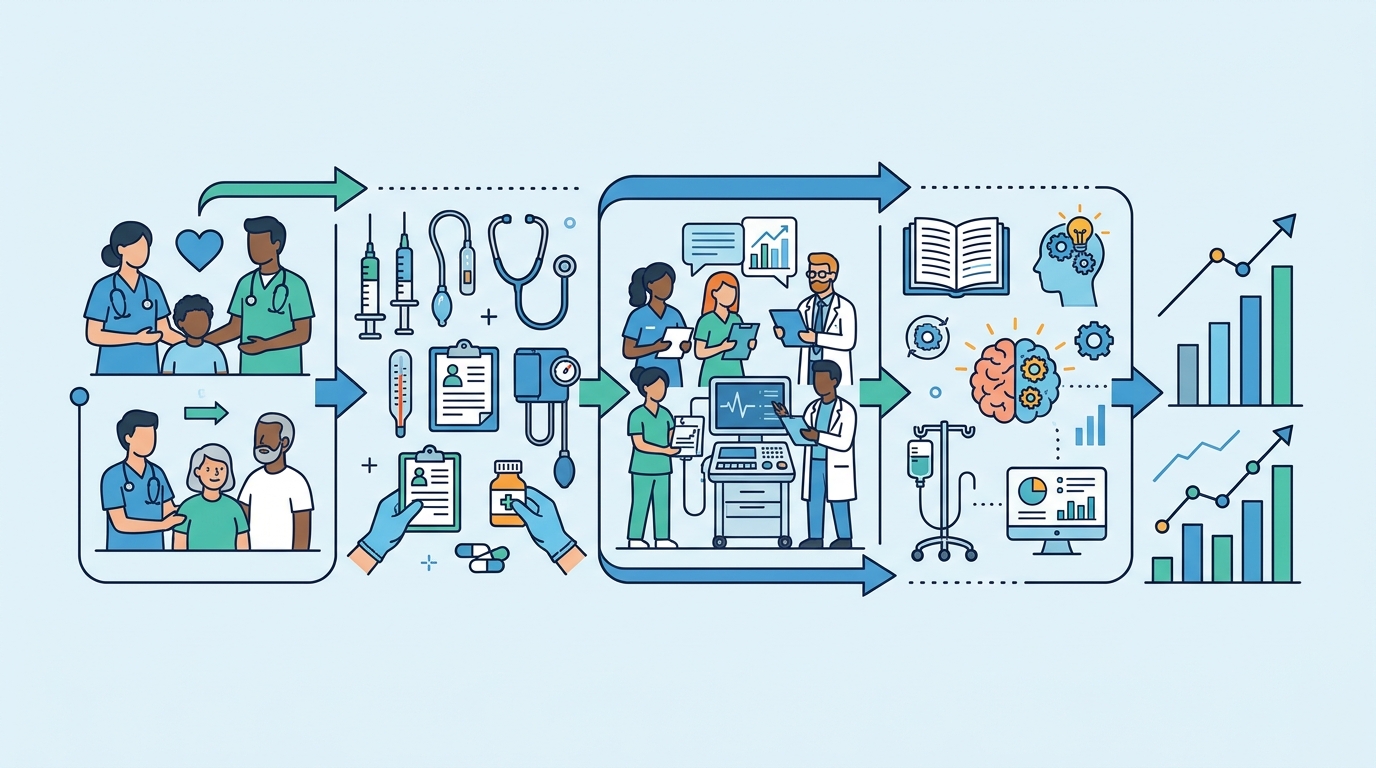
Is a Career in Nursing Right for You?
Nursing suits you if you can think clearly while several things go wrong at once, you can stay on your feet for a long shift, and you are willing to sit a state licensing exam before you can work at all. Registered nurses need a license from the state where they work, which means graduating from an approved nursing program and passing a qualifying exam (U.S. Bureau of Labor Statistics, 2026).

Scrum Certification Guide: What You Need to Know
A Scrum certification is a short, exam-based credential that shows you understand the Scrum framework — its roles, events, and artifacts — as defined in the Scrum Guide. The two best-known US routes are Scrum Alliance (Certified ScrumMaster, which requires a live course) and Scrum.org (Professional Scrum Master, which you can sit by self-study), and each uses a different structure, renewal model, and fee.

How to Learn Python for Your Career
Learning Python for work is less about finishing a course and more about picking one job-shaped use for the language — data analysis, test automation, backend development, or scripting — and building three or four things that run. A focused beginner can reach useful competence in about 3-6 months at 6-10 hours a week, using free material like the official Python documentation and CS50's Introduction to Programming with Python before paying for anything.

Build Data Analytics Skills: A Step-by-Step Roadmap
Data analytics is the work of pulling raw records out of a database or spreadsheet, cleaning them, and turning them into a number or chart someone can act on. You can get to a working level in roughly six to nine months of steady part-time study if you follow a sequence — spreadsheets, SQL, visualisation, then statistics and Python — rather than jumping between tools.

What Does a Project Manager Actually Do Day to Day?
Day to day, a project manager coordinates the budget, schedule, staffing and other details of a project (U.S. Bureau of Labor Statistics, 2025) — which in practice means updating plans, chasing commitments, checking spend against forecast, and writing things down so everyone is working from the same version. Less of the job is deciding and more of it is noticing: catching the slipped task, the unordered part, the unanswered question before any of them become a missed deadline.
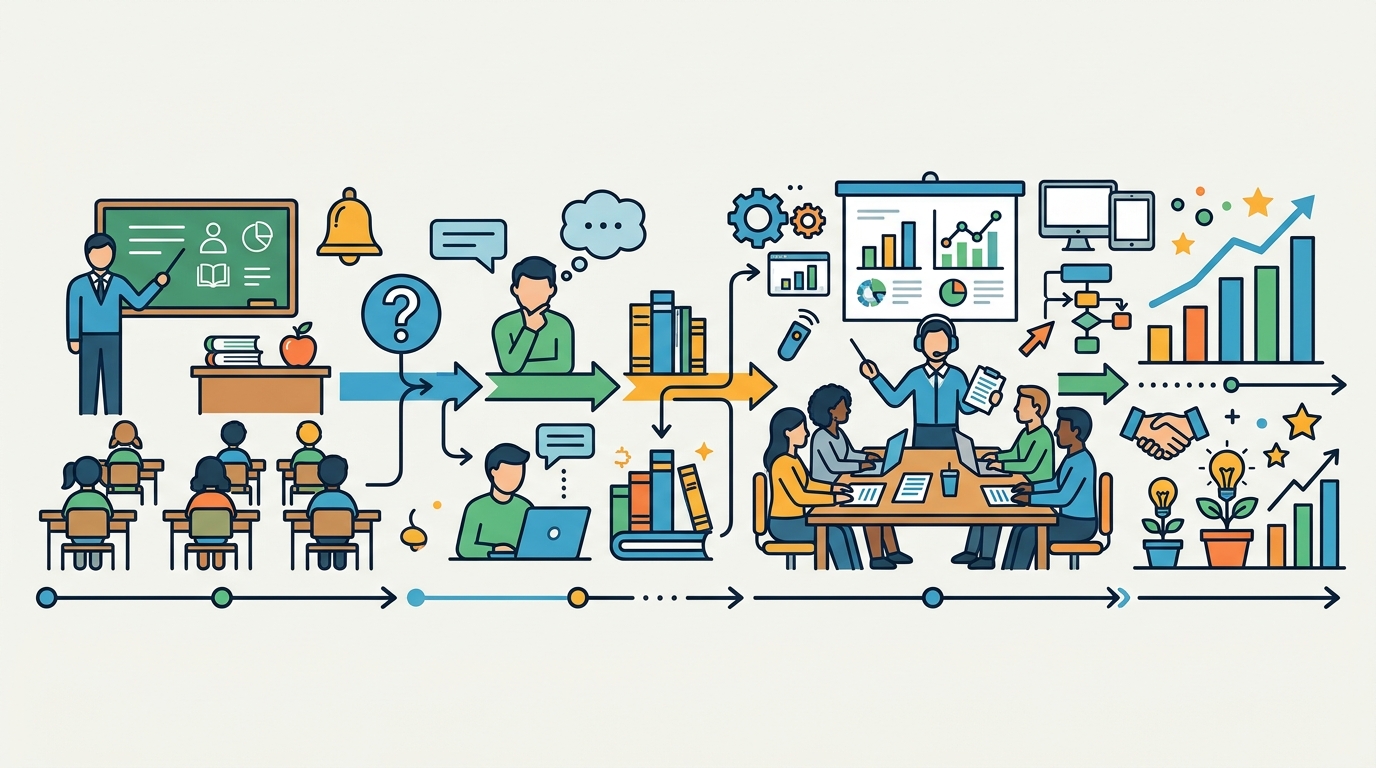
How to Switch from Teaching to Corporate Training
Moving from K-12 teaching into corporate training is one of the more direct career switches available to educators, because the core work overlaps: assessing what learners need, building materials, delivering sessions, and measuring whether anything stuck. The main gaps are vocabulary, authoring software, and proof that you can design for adults inside a business, not a classroom. Most teachers who make the move do it over 6 to 18 months while still teaching, by building a portfolio and taking on training-adjacent work inside their school or district.

Build UX Design Skills: A Step-by-Step Roadmap
UX design is learnable outside a degree program, but only in a specific order: interface and interaction basics first, then research methods, then accessibility, then end-to-end case studies that show your thinking. The U.S. Bureau of Labor Statistics' Occupational Outlook Handbook says education for web developers and digital designers ranges from a high school diploma to a bachelor's degree, and that candidates may not need specific credentials if they can show ability through prior work or projects (AIGA, 2026).
HR Generalist: Job Description, Skills, and Career Path
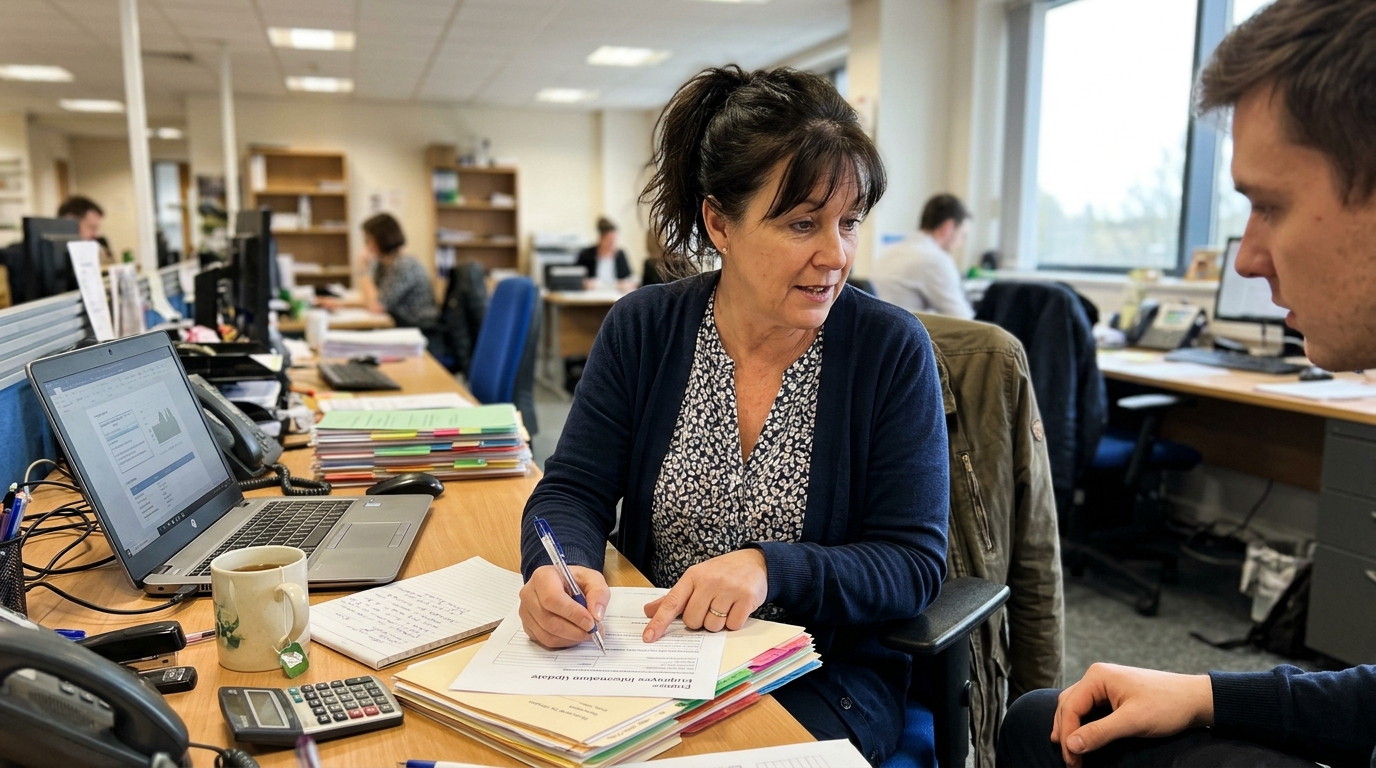
An HR generalist handles a wide slice of the people function at one employer: recruiting and interviewing, onboarding, employment records, benefits questions, policy interpretation and employee relations complaints. It is a breadth role rather than a depth role, and it sits in the occupation the U.S. Bureau of Labor Statistics calls Human Resources Specialists, where "Human Resources Generalist" is a mapped job title (U.S. Bureau of Labor Statistics, undated).