How to Get Started
How to Get Started guides on Career Forward HQ.
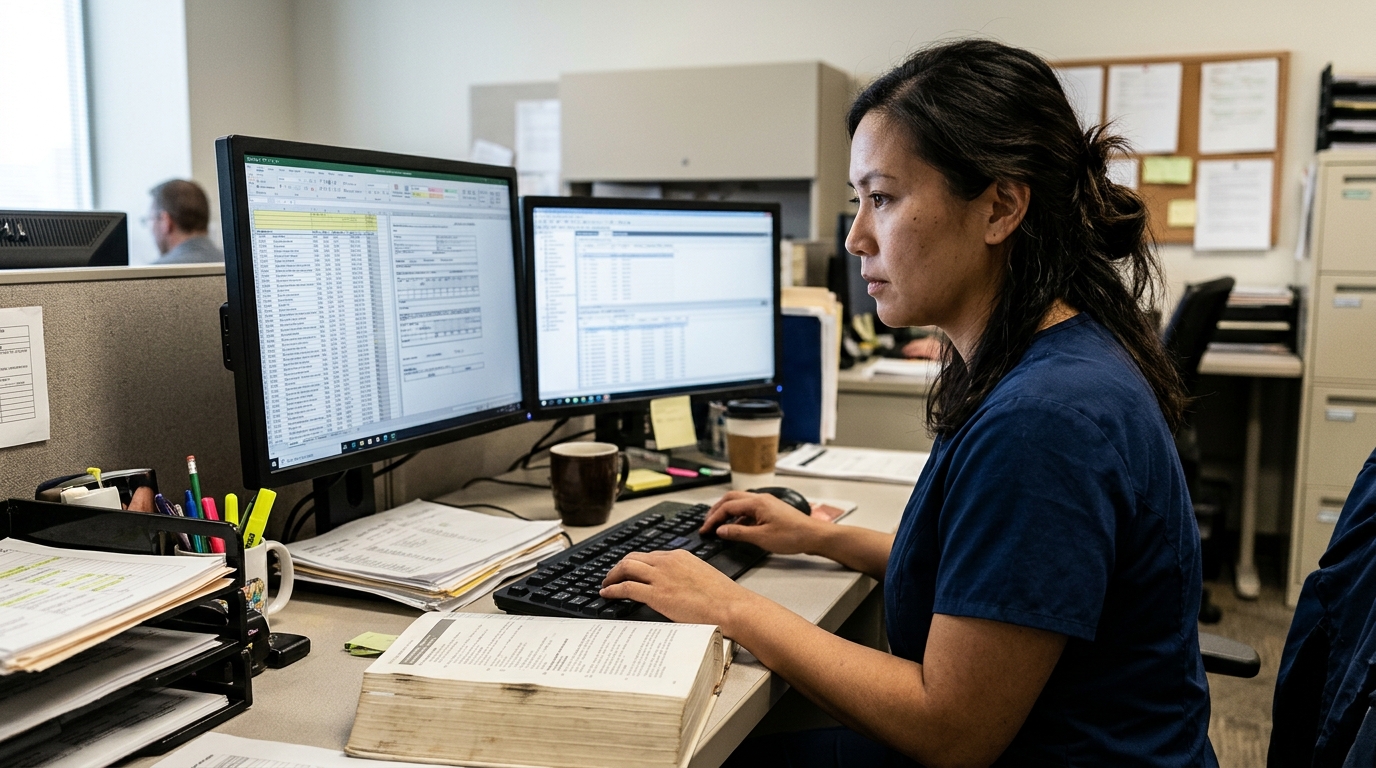
How to Become a Medical Coder: Step-by-Step Guide
Medical coding means reading clinical documentation and translating it into ICD-10-CM, CPT and HCPCS Level II codes so that care can be billed and recorded. Most people enter through a coding training program followed by an entry-level credential — usually the Certified Professional Coder (CPC) from AAPC or the Certified Coding Associate (CCA) from AHIMA — rather than through a four-year degree.

How to Switch to a Career in Cybersecurity From IT Support
Moving from IT support into cybersecurity is a lateral step rather than a restart, because a large part of a support role — account administration, patching, log reading, phishing reports — is security work under a different job title. Most people make the move in 12 to 30 months by adding a recognised security certification and documented hands-on work to the support experience they already have.

Project Manager Career Path: Education, Certifications, and How to Start
Project management specialists plan work, track budgets and schedules, and keep clients and vendors aligned — and most enter with a bachelor's degree in business, project management, or a related field, plus work experience in a related occupation and on-the-job training (U.S. Bureau of Labor Statistics, 2025). Certification is not always required, though it may be beneficial (U.S. Bureau of Labor Statistics, 2025).

Break Into UX Design Without a 4-Year Degree
You can enter UX design without a four-year degree, but you are working against the default: the U.S. Bureau of Labor Statistics lists a bachelor's degree as the typical entry-level education for web developers and digital designers (U.S. Bureau of Labor Statistics, 2025), and ONET places Web and Digital Interface Designers (SOC 15-1255) in Job Zone Four, meaning most of these jobs require a four-year degree but some do not (ONET OnLine, National Center for ONET Development).

How to Switch to a Career in Software Development From Teaching
Teaching already gives you the credential most software employers screen for: a bachelor's degree is the typical entry-level education for software developers, quality assurance analysts and testers (U.S. Bureau of Labor Statistics, 2025), and high school teachers typically hold at least a bachelor's degree too (U.S. Bureau of Labor Statistics, 2025). What you are missing is technical evidence — code an employer can read, and a credential or two that signals you can work with the tools their team uses.
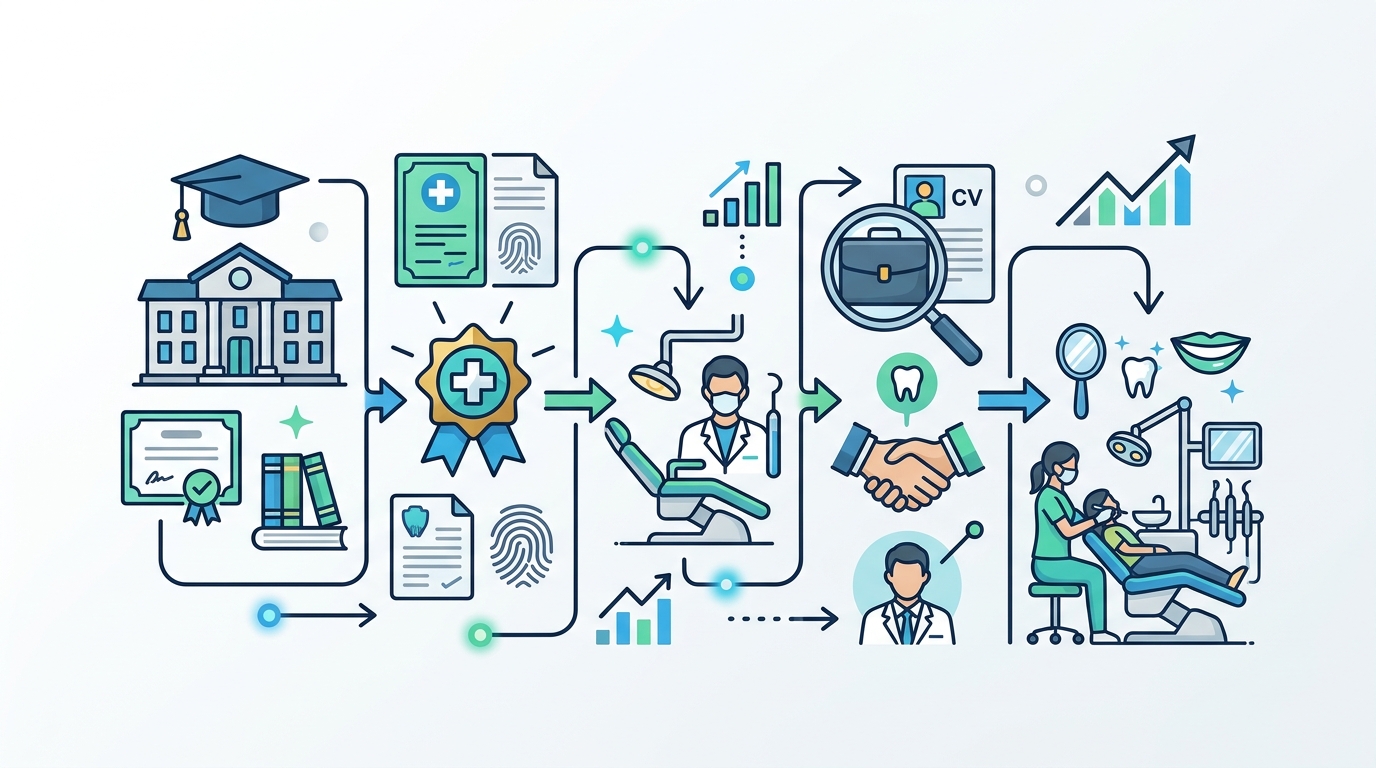
How to Become a Dental Hygienist: Step-by-Step Guide
Becoming a dental hygienist means completing a dental hygiene program accredited by the Commission on Dental Accreditation (CODA), passing the National Board Dental Hygiene Examination (NBDHE) and a clinical board examination such as the ADEX Dental Hygiene Examination, then applying to a state board for licensure. The U.S. Bureau of Labor Statistics (2025) lists an associate degree as the entry-level education typically required, and most associate programs run about two years of full-time study after prerequisites.

How to Become an Electrician Without a Degree
You do not need a college degree to become an electrician. The U.S. Bureau of Labor Statistics lists a high school diploma or equivalent as the education requirement, and says most electricians learn the trade through a 4- or 5-year apprenticeship with about 2,000 hours of paid on-the-job training per year plus technical instruction (U.S. Bureau of Labor Statistics, undated).
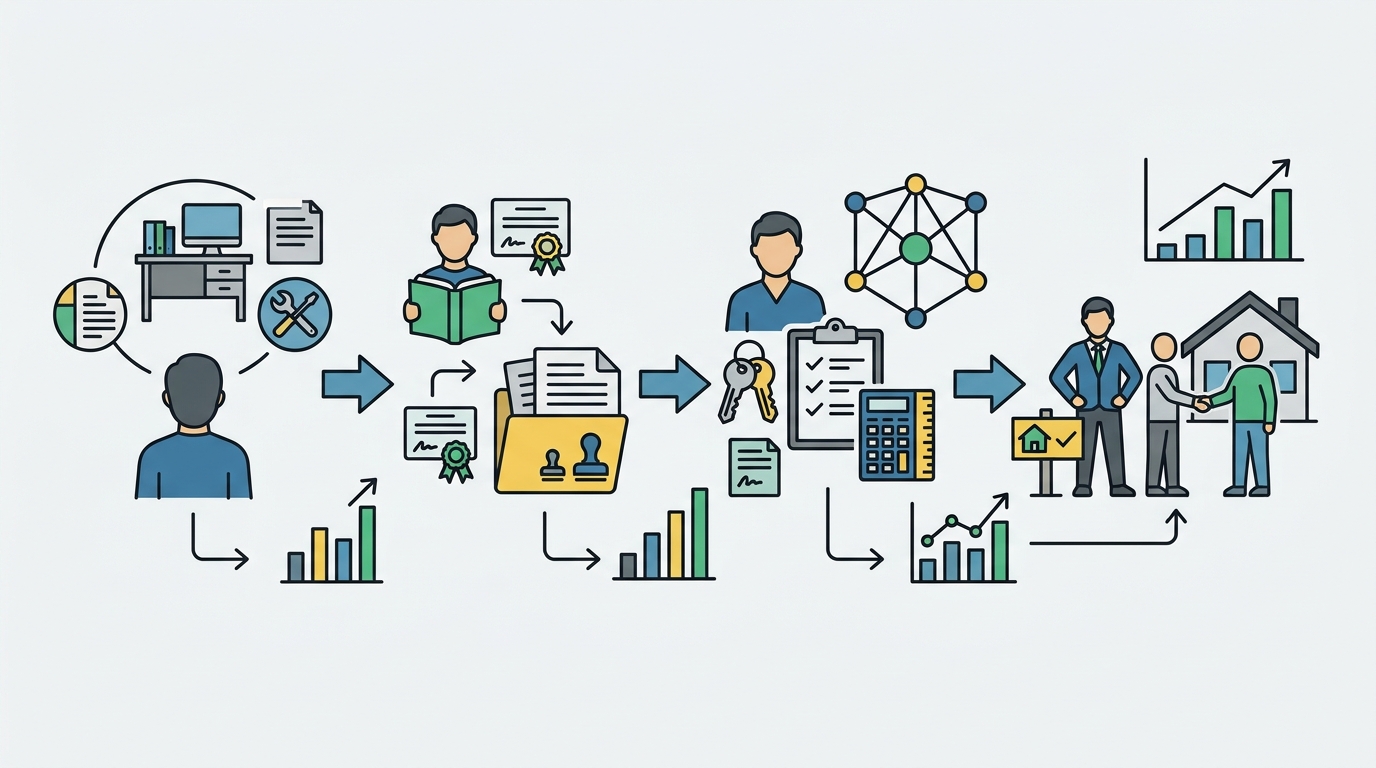
Changing Careers to Real Estate: A Step-by-Step Transition Plan
Switching into real estate sales means getting a state license, finding a brokerage to sponsor and supervise you, and surviving the months before commissions start arriving. Every state licenses agents, and minimum requirements typically include being at least 18, holding a high school diploma or equivalent, completing prelicensing courses and passing an exam (U.S. Bureau of Labor Statistics, 2026).
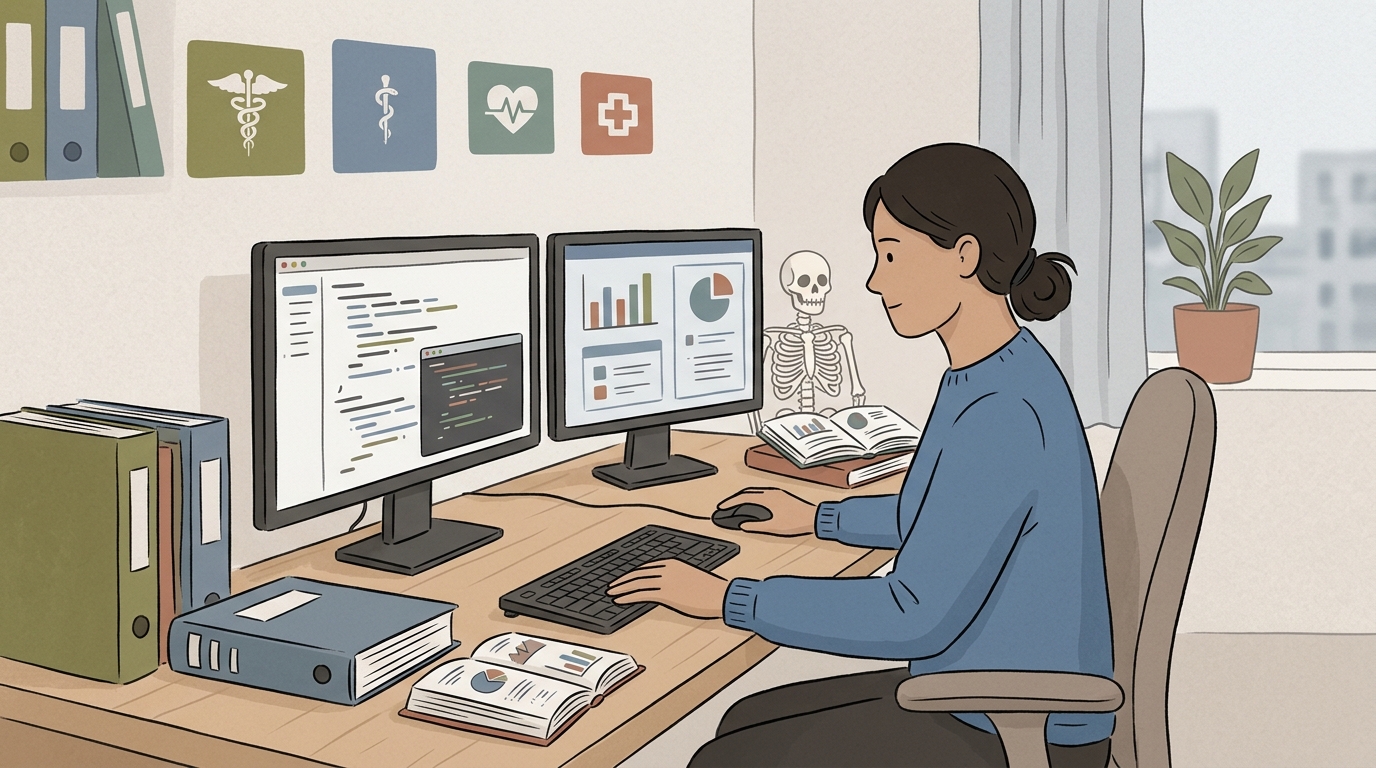
How to Become a Medical Coder Without a Degree
Medical coding is one of the few healthcare roles where a certification exam, not a degree, is the gatekeeper. Most physician practices, billing companies and coding vendors screen first for a credential such as AAPC's Certified Professional Coder (CPC) or AHIMA's Certified Coding Associate (CCA), then for documented coding hours. A focused prep course plus one exam attempt commonly takes four to seven months from a standing start at 10 to 15 study hours a week.

How to Become an HVAC Technician: Step-by-Step Guide
Most people enter HVAC work by completing a postsecondary certificate or associate's degree in HVACR, passing the EPA Section 608 refrigerant exam, and then learning the trade on the job with a contractor. The U.S. Bureau of Labor Statistics (2025) lists a postsecondary nondegree award as the typical entry-level education, no prior work experience in a related occupation, and long-term on-the-job training after hire.

How to Become a Bookkeeper Fast: Certification Paths Compared
The fastest route into bookkeeping is not a degree — it is a software certification, a national bookkeeping exam, and supervised experience you document as you go. The two recognized credentials are the Certified Bookkeeper (CB) designation from the American Institute of Professional Bookkeepers and the Certified Public Bookkeeper (CPB) license from the National Association of Certified Public Bookkeepers; QuickBooks Online ProAdvisor certification is available at no cost through a QuickBooks Online Accountant account (Intuit/QuickBooks). Plan on 10–16 weeks of study before your first applications if you are already comfortable with spreadsheets.
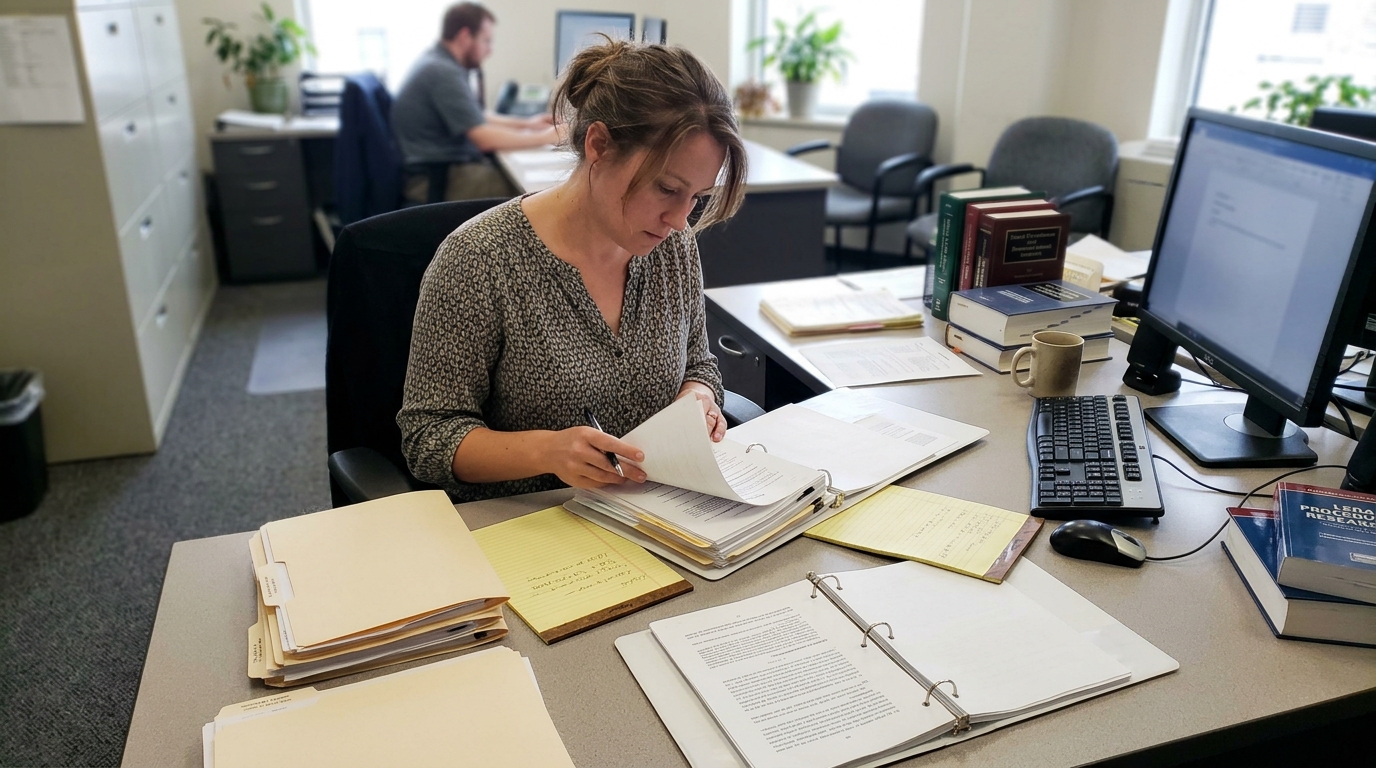
How to Become a Paralegal After a Career Change
Paralegal work is one of the more open legal careers for career changers because there is no single fixed route in. The U.S. Bureau of Labor Statistics (2025) notes that some employers hire candidates with no legal experience or legal education and train them on the job, and that some accept a high school diploma plus experience — while others want a paralegal certificate or degree and a recognised certification.